Source eco friendly easter crochet keychain for Gifts, Decor, and Promotions
Compare 30 listings of eco friendly easter crochet keychain available from Chinese factories. Buyers can review specifications like material, size, and printing methods to find suitable options for gifts, decorations, and promotional events.
Key considerations
Products List
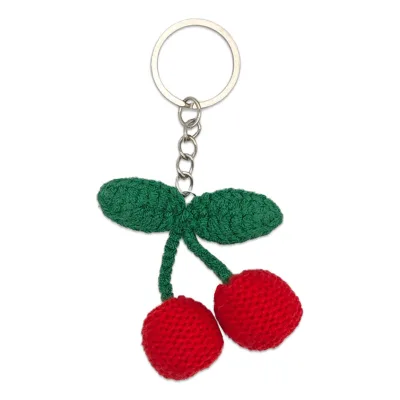
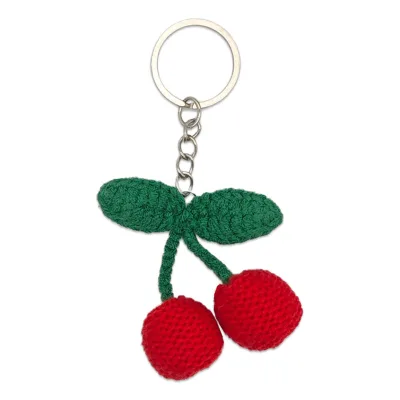
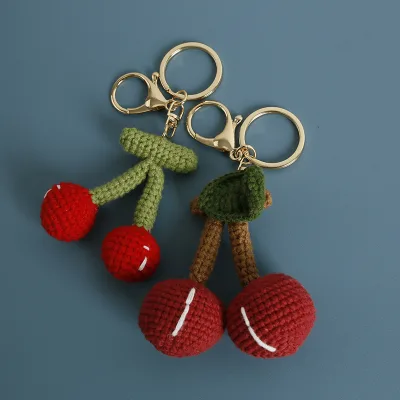
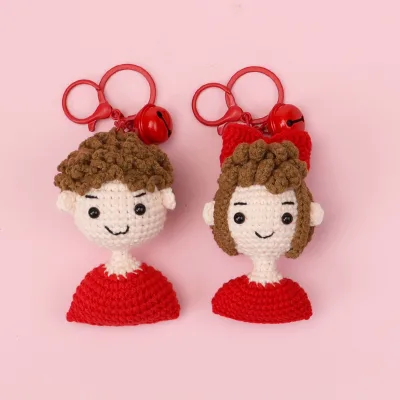
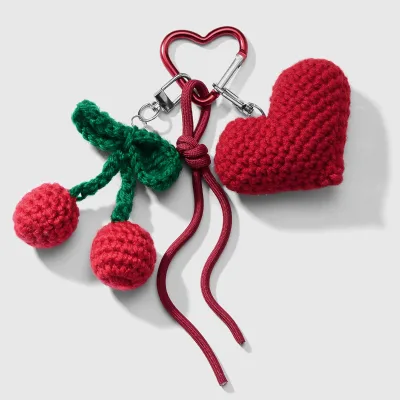
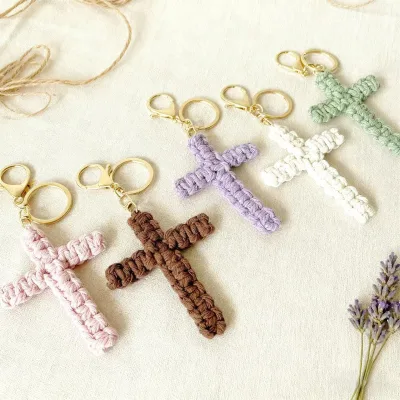
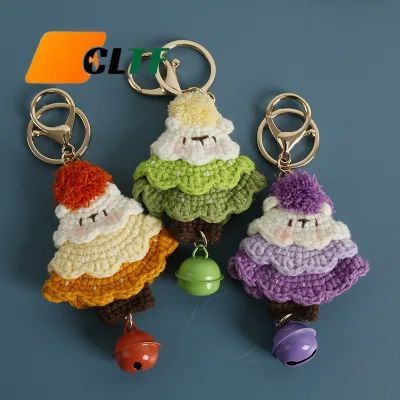
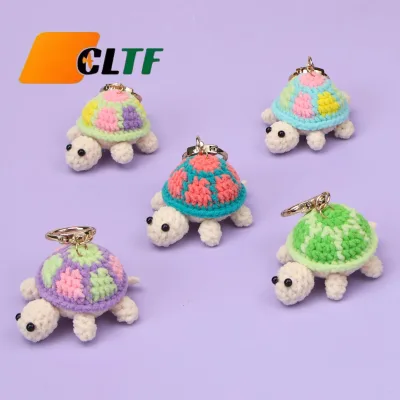
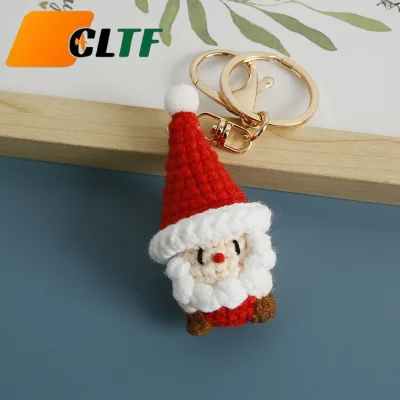
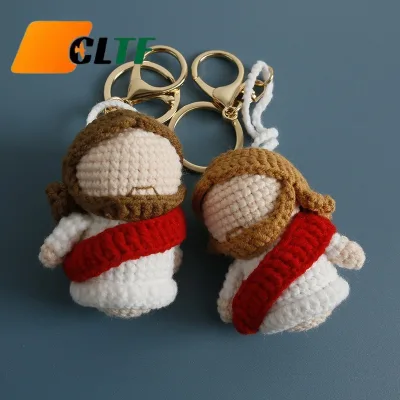
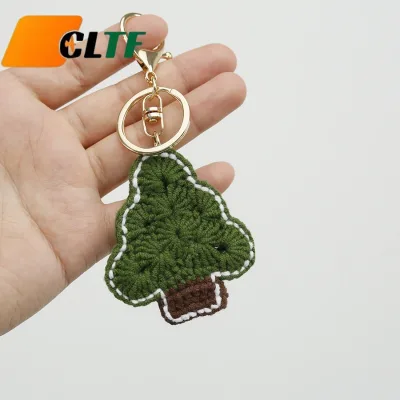
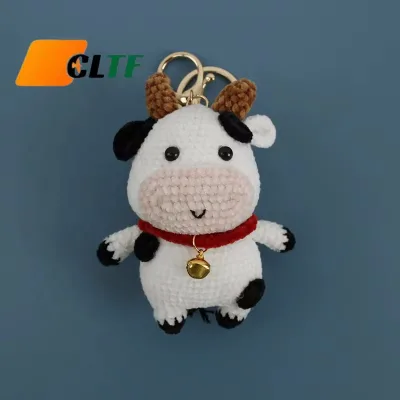




Comprehensive Sourcing Guide
Strategic Sourcing Guide for Eco-Friendly Easter Crochet Keychains
The global demand for sustainable promotional items and personalized gifts has elevated the profile of handcrafted accessories, particularly those utilizing eco-friendly materials. For procurement professionals seeking eco-friendly Easter crochet keychains, the market offers a diverse array of options that blend traditional craftsmanship with modern environmental standards. This guide provides a comprehensive framework for sourcing these items, focusing on technical specifications, material verification, supplier evaluation, and quality assurance protocols based on current industry observations and product data.
Understanding Product Specifications and Material Composition
The foundation of any successful procurement strategy lies in a precise understanding of the product's physical attributes. In the context of crochet keychains, the primary material is often polyester, which is frequently cited in product listings as a durable and versatile option. However, the term "eco-friendly" requires careful scrutiny. While polyester is a synthetic fiber, its sustainability profile depends heavily on the manufacturing process and whether recycled variants are used. Buyers must verify if the "Polyester" listed in specifications refers to virgin or recycled content.
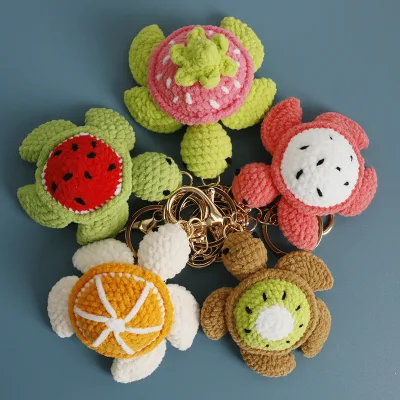
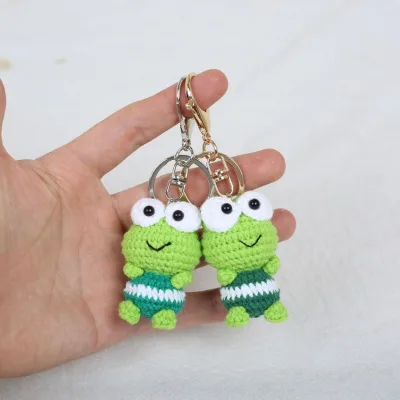
Product data indicates a wide range of size specifications available in the market, including "onesize," "small," "medium," and "free" sizing options. Some items are described with specific dimensions such as a single package size of 50x50x50 cm, while others are noted as "As shown." This variability suggests that customization is a standard feature in this category. The shape of these keychains is often described as "3d shape," which aligns with the three-dimensional nature of crocheted items. The application of these products extends beyond general use; specific listings highlight applications for "Chinese New Year," "Christmas," and "Thanksgiving," indicating that Easter-themed variants are part of a broader seasonal promotional strategy.
When evaluating technical specifications, buyers should look for the "Product Type" classification. Listings often categorize these items as "Light Keychain," "Knit Gift Keychain," or simply "gift." The "Model Number" serves as a critical identifier for tracking specific designs, with examples like CS-BH10, CS-FQ238, and CS-BH158 appearing in the market. The "Style" is frequently described as "Fashion," "Fashionable," or featuring "anime design," suggesting that aesthetic trends play a significant role in product selection. Understanding these specifications is essential for ensuring that the final product meets the intended branding and functional requirements.
Compliance Verification and Certification Standards
In the realm of eco-friendly products, compliance is not merely a formality but a critical differentiator. While the supplied product data does not explicitly list specific certification bodies or standard numbers, the presence of the "Feature: Eco-Friendly" attribute in multiple listings signals a market trend toward sustainability. Buyers must treat this attribute as an observation that requires independent verification rather than a guaranteed claim.
Procurement teams should request documentation regarding the origin of the raw materials. For crochet items, this involves confirming the source of the yarn or thread. If the product claims to be eco-friendly, it should ideally be supported by certifications such as GRS (Global Recycled Standard) or Oeko-Tex, which verify the absence of harmful substances and the use of recycled fibers. However, without explicit data in the product listings, buyers cannot assume these certifications are present. Instead, the sourcing strategy must include a mandatory request for third-party test reports or supplier declarations of conformity.
The "Place of Origin" is listed as Hebei, China, in several instances. This geographic data point is relevant for understanding the supply chain logistics and potential regulatory environments. Buyers should verify if the manufacturing facilities in this region adhere to international labor standards and environmental regulations. The "Factory: YES" attribute confirms that direct manufacturing is available, which can be advantageous for quality control but requires rigorous due diligence.
Cost Drivers and Pricing Dynamics
The pricing structure for crochet keychains is influenced by several variables, including material costs, labor intensity, and customization levels. The observed price range in the market spans from $0.22 to $10.00 USD. This wide disparity highlights the impact of complexity and scale on unit costs. Lower-priced items likely represent mass-produced, standard designs with minimal customization, while higher-priced items may involve intricate designs, premium materials, or small-batch production.
The Minimum Order Quantity (MOQ) is another significant cost driver. The observed MOQ range is between 1 and 100 pieces. An MOQ of 100 pieces is explicitly mentioned in some listings, which is typical for custom manufacturing to ensure economic viability. However, the availability of low MOQs (down to 1) suggests that some suppliers cater to sample orders or very small promotional campaigns. Buyers should be aware that ordering at the lower end of the MOQ spectrum often results in a higher unit price due to the fixed costs of setup and labor.
Additional cost factors include the "Printing" method. Listings mention "Letterpress Printing," "manual" printing, and "Knitting" as techniques. Manual processes, such as hand-crocheting, are labor-intensive and typically command a premium compared to machine-produced items. The "Single gross weight" of 50.000 kg to 60.000 kg per package also impacts shipping costs, which should be factored into the total landed cost calculation. Buyers must balance the desire for eco-friendly, handcrafted aesthetics with the budgetary constraints of the procurement project.
Typical Applications and Seasonal Relevance
While the core keyword focuses on Easter, the product data reveals a broader application spectrum. These keychains are marketed for various occasions, including "Chinese New Year," "Christmas," and "Thanksgiving." This versatility makes them attractive for year-round promotional campaigns. The "Application" field in the data explicitly lists these holidays, indicating that suppliers often produce seasonal variations of the same base design.
For Easter specifically, buyers should look for specific color palettes and design elements. The color options observed include "Red1, Red2," "White, Pink, Mint, Black, Red, Light Blue, Gold, Gray, Rose Madder, Purple, Burgundy," and "Orange, Red, Green, Purple, Rose Red." The presence of "Pink," "Mint," "Light Blue," and "Rose Red" aligns well with traditional Easter color schemes. Additionally, the "Pattern: number" and "3d shape" attributes suggest that these keychains can be customized with specific numbers or thematic shapes relevant to Easter celebrations.
The "Usage" is described as "Decoration Promotion Gift," confirming their dual role as functional accessories and marketing tools. The "Feature: Portable" and "Soft" attributes make them suitable for distribution at events, trade shows, or as corporate gifts. The "Function: Decorative" aspect further emphasizes their role in enhancing brand visibility through aesthetic appeal.
Supplier Evaluation and Manufacturing Capabilities
Selecting the right supplier is paramount for ensuring product quality and adherence to sustainability claims. The "Factory: YES" attribute indicates that some suppliers are direct manufacturers, which can offer benefits such as better price control and direct communication. However, buyers must verify the supplier's capacity to handle "Customized" packaging and "Customized" product designs. The "Package: Customized" and "Packing: Opp Bag" options suggest flexibility in logistics, but buyers should confirm the environmental impact of the packaging materials.
When evaluating suppliers, procurement teams should assess their "Technique" and "Technology." The data lists "Crocheted" and "crocheting" as the primary techniques, with some items described as "Handmade." This distinction is crucial; "Handmade" implies a higher level of craftsmanship and potential variability in the final product, whereas "Crocheted" could imply machine-assisted production. Buyers should clarify the balance between manual and automated processes to ensure consistency.
The "Brand Name: no" attribute suggests that many of these products are unbranded or generic, allowing for white-labeling. This is beneficial for companies looking to apply their own branding. However, it also means that the supplier's reputation is less visible, making the evaluation of their production history and quality control systems even more critical.
Quality Control and Long-Term Procurement Considerations
Quality control for crochet keychains involves checking for consistency in stitch density, color fastness, and structural integrity. The "Feature: Durable" and "Feature: Portable" attributes indicate that these products are designed to withstand regular use. However, buyers should establish clear acceptance criteria for defects such as loose threads, uneven coloring, or misshapen forms. The "Single package size" and "Single gross weight" data points should be used to verify that the packaging protects the items during transit without excessive waste.
For long-term procurement, building a relationship with a reliable supplier is essential. The "Style: Fashion" and "Style: anime design" trends suggest that product designs evolve rapidly. Suppliers who can adapt to changing aesthetic trends while maintaining their eco-friendly standards will be valuable partners. Buyers should also consider the "Selling Units: Single item" aspect, which implies that the supply chain must be flexible enough to handle both bulk orders and individual unit shipments.
Finally, the "Feature: Eco-Friendly" claim must be continuously validated. As regulations regarding green marketing tighten, buyers should require updated certification documents and material traceability reports from their suppliers. By maintaining a rigorous approach to verification and quality assurance, procurement professionals can ensure that their sourcing of eco-friendly Easter crochet keychains meets both ethical standards and business objectives.
FAQs
What materials are used for eco-friendly crochet keychains?
The primary material listed is polyester, which is often used for its durability and versatility. Buyers must verify if the polyester is recycled to meet eco-friendly claims, as virgin polyester is also common in these listings.
Which certifications verify the eco-friendly status of these products?
Product listings mention an eco-friendly feature but do not explicitly list specific certifications like GRS or Oeko-Tex. Buyers should request third-party test reports or supplier declarations to confirm the use of recycled fibers and absence of harmful substances.
How does the minimum order quantity affect pricing for these keychains?
The observed MOQ ranges from 1 to 100 pieces, with 100 pieces being a common threshold for custom manufacturing. Ordering at the lower end often results in higher unit prices due to fixed setup and labor costs compared to bulk orders.
Can these keychains be customized for specific seasonal applications?
Yes, the products are designed for various applications including Chinese New Year, Christmas, and Thanksgiving. Customization is standard, allowing for specific color palettes and designs suitable for Easter or other seasonal promotional campaigns.
What are the typical size and shape specifications for these items?
Sizes vary including onesize, small, medium, and free options, with some described as 3d shapes. Package dimensions can reach 50x50x50 cm, indicating that specific sizing and packaging requirements should be confirmed during the sourcing process.
Where are the manufacturers of these keychains located?
The place of origin is listed as Hebei, China, for several product entries. Buyers should verify if the manufacturing facilities in this region adhere to international labor standards and environmental regulations when selecting a supplier.
What techniques are used to produce these crochet keychains?
The primary techniques listed are crocheted and crocheting, with some items described as handmade. This distinction is crucial as handmade items may have higher variability but offer unique craftsmanship compared to machine-assisted production.